Turkiye 2026 Marine Pollution Fines: Regulatory Update and Practical Impact

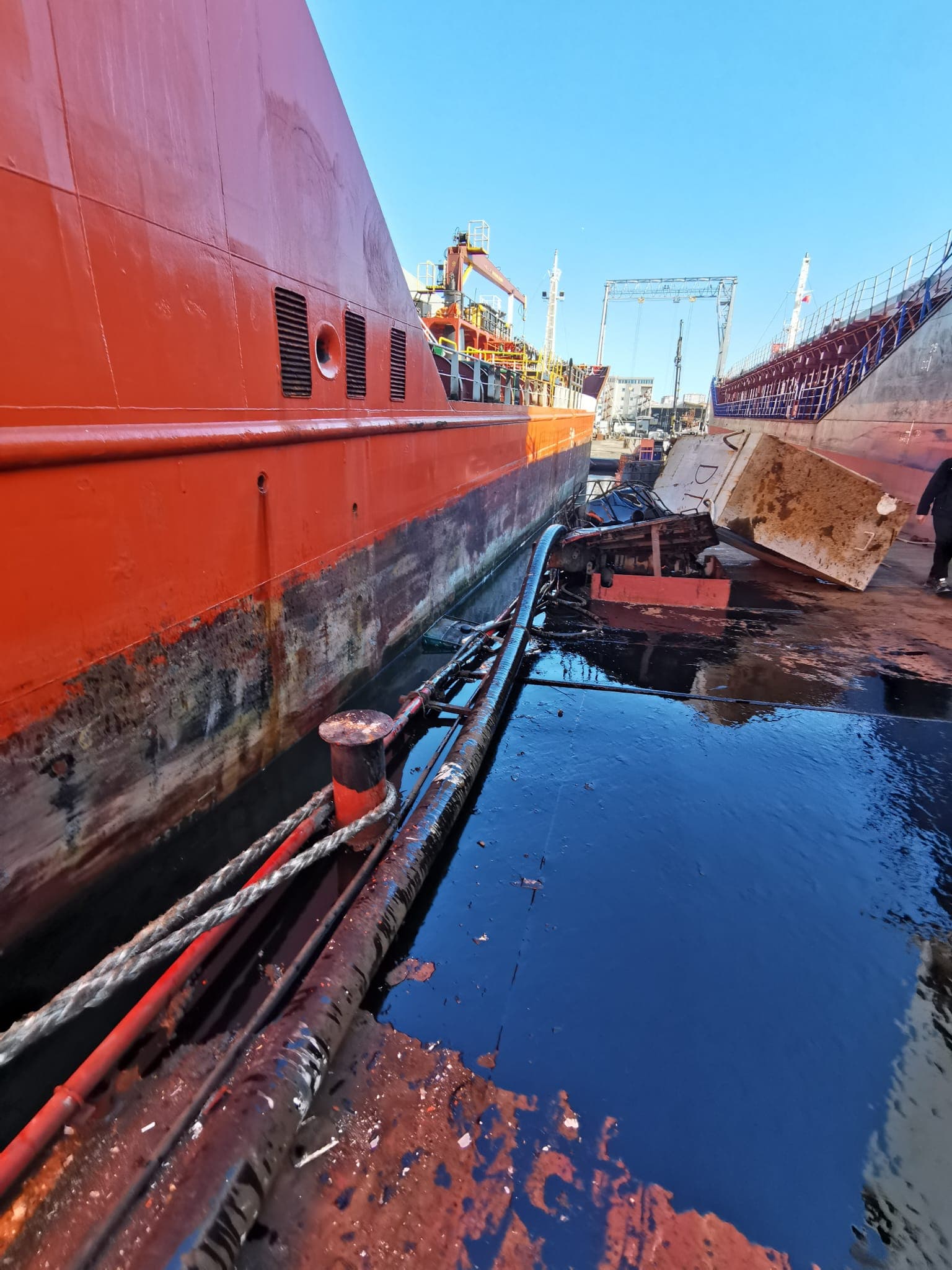
Marine pollution penalties in Türkiye are set to increase significantly as of 1 January 2026. According to an official circular issued by the American P&I Club, the Turkish authorities will apply updated administrative fines for marine pollution offences, reflecting the 2026 revaluation rate.
As a result, 2026 marine pollution administrative penalties will increase by approximately 25.5% compared to 2025 levels.
For shipowners, operators, and technical managers trading to or through Turkish ports and straits, this change materially increases financial, operational, and reputational exposure.
Current Legal Framework in TurkiyeMarine pollution penalties in Türkiye are primarily governed by:
- Turkish Environmental Law No. 2872 – Administrative sanctions for marine pollution [1]
- Annual Revaluation Rate – Published by the Turkish Ministry of Treasury and Finance and applied to environmental penalties each year [2]
- Port Authority and Coast Guard Enforcement – Practical implementation during port calls, anchorage stays, and strait transits [3]
Under this framework, fines are imposed regardless of intent, based on the occurrence of pollution and supporting evidence (visual observation, sampling, or official reports).
The 2026 Update: What ChangesAccording to the American P&I Club Circular, as of 1 January 2026:
- Marine pollution administrative fines will be increased by approximately 25.5% compared to 2025 levels [4]
- The updated tariffs will apply to:
- Oil pollution
- Sludge and bilge discharges
- Garbage and sewage pollution
- Residues released during cargo or bunkering operations
- Penalties remain gross tonnage based, meaning larger vessels face disproportionately higher fines
This increase follows Türkiye’s standard application of the annual revaluation rate, but its practical impact is amplified by stricter enforcement and documentation practices.
Practical Enforcement RealityIn recent years, Turkish authorities have significantly strengthened enforcement by:
- Increased surveillance at anchorages and ports
- Use of coastal monitoring systems and patrol units
- Faster coordination between Port Authorities and Coast Guard Command
Importantly, defences based on “accidental discharge” or “minor leakage” are rarely accepted unless supported by strong technical evidence and immediate corrective action.
Early Payment Discount and Objection RealityShipowners have the right to challenge administrative pollution fines before Turkish administrative courts within 30 days of notification.
However, it is critical to understand the practical implications of this right:
- Filing an objection does not suspend enforcement,
- Detention or sailing restrictions imposed on the vessel remain in force,
- In practice, the success rate of objections is relatively low, particularly where photographic or video evidence exists [2,4]
If the fine is paid within 30 days of notification and prior to the vessel’s departure, a 25% early payment discount applies under Turkish law [2].
Failure to settle the fine may result in:
- Continued detention of the vessel
- Enforcement proceedings for recovery of the public debt
- In extreme cases, seizure and judicial sale of the vessel
For this reason, P&I Clubs frequently recommend early settlement followed by legal evaluation, rather than relying solely on objections.
Technical Root Causes Observed OnboardFrom a technical perspective, most pollution incidents investigated by P&I Clubs and authorities originate from:
- Degraded or leaking sludge, bilge, and fuel oil piping,
- Temporary hose connections and poor hose integrity,
- Faulty or bypassed overboard valves,
- Improper operation or maintenance of OWS and related automation,
- Tank venting and overflow during bunkering or transfer operations.
These are typically maintenance and condition issues, not design flaws.
Impact on P&I Cover and Claims HandlingWhile P&I Clubs generally respond to pollution incidents, it should be noted that:
- Administrative fines may not always be fully recoverable
- Delays caused by investigations can result in off-hire and commercial losses
- Repeated incidents can negatively affect future cover terms and deductibles [4]
Early technical intervention remains the most effective risk mitigation tool.
Recommendations for Owners & Technical ManagersIn light of the 2026 increase, the following measures are strongly recommended:
- Carry out pre-arrival pollution risk inspections before Turkish port calls
- Inspect and pressure test sludge, bilge, and fuel transfer lines
- Verify proper operation and alarm functionality of OWS and associated automation
- Eliminate temporary or non class approved hose arrangements
- Ensure crew are fully familiar with pollution prevention procedures and immediate response actions
Preventive maintenance costs are negligible compared to post-incident penalties and delays.
RMS Ship Repair PerspectiveAt RMS Ship Repair, we regularly attend vessels in Turkish ports and anchorages for pollution risk related inspections and rectification works.
Our teams composed of former Chief Engineers and Technical Superintendents, focus on eliminating the root technical causes before they become regulatory or financial liabilities.
On Time, On Site, On Your Side.
References[1] Turkish Environmental Law No. 2872 – Environmental Pollution Sanctions
[2] Turkish Ministry of Treasury and Finance – Annual Revaluation Rate (Yeniden Değerleme Oranı)
[3] Turkish Coast Guard Command – Marine Pollution Enforcement Practices
[4] American P&I Club Circular – Türkiye Marine Pollution Fines Effective 1 January 2026
- American P&I Club – Türkiye Marine Pollution Fines Circular (2026)
https://www.americanclub.com/circulars - Turkish Environmental Law No. 2872 – Marine Pollution Sanctions
https://www.mevzuat.gov.tr/mevzuat?MevzuatNo=2872&MevzuatTur=Kanun - Annual Revaluation Rate
https://www.gib.gov.tr/yeni-degerleme-orani - IMO MARPOL – Pollution Prevention Regulations
https://www.imo.org/en/OurWork/Environment/Pages/Default.aspx